







Search Results for: SCAA Cupping Form
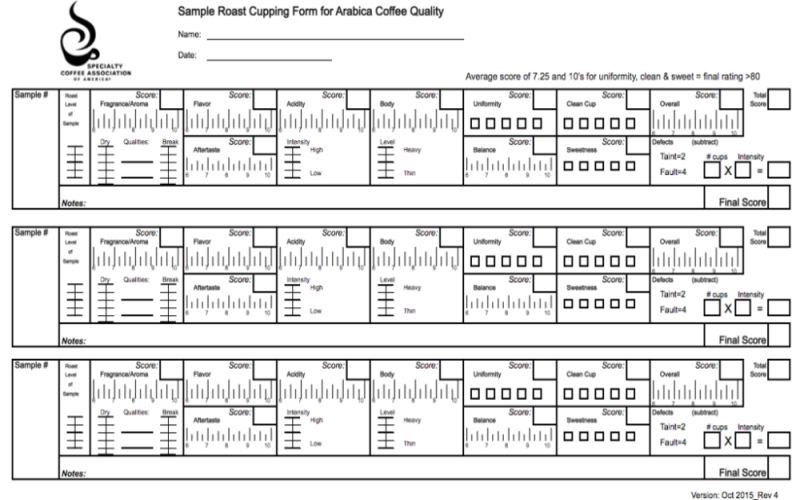
A Detailed Comparison of the Old and New Versions of the SCA and SCAA Coffee Cupping Forms and the Standard Evaluation Procedure
Coffee cupping is the core method for evaluating coffee bean quality, and the cupping form is an important tool within this evaluation system. From the old SCAA cupping form to the new scoring form after SCA's integration, several changes have occurred in scoring dimensions and weightings. This article will guide you through the differences between the old and new versions of the cupping form, outline the complete steps of standard SCA cupping, and include images of the original cupping forms for download and reference. Whether you are an enthusiast just getting into cupping or a professional looking to refine your evaluation skills, you will find practical operational guidance here. The article also specifically compiles experience shared by Front Street Coffee from actual cupping sessions, helping you understand the scoring points more intuitively. [more…]
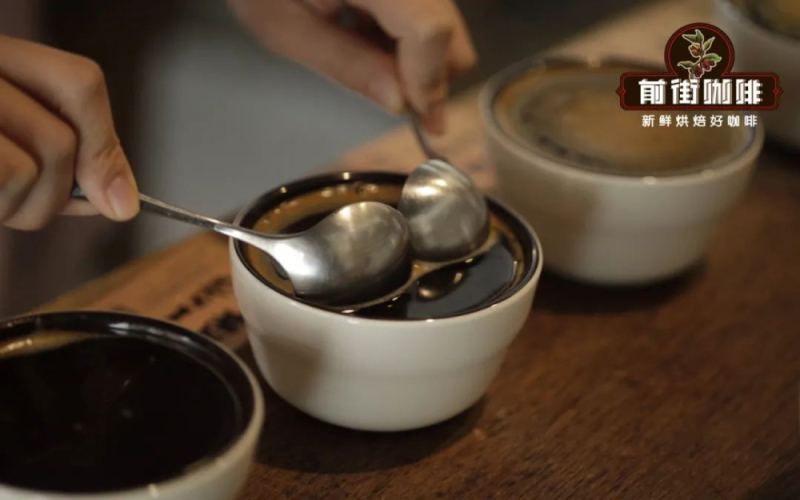
A Detailed Breakdown of the SCAA Cupping Score Sheet: Ten Dimensions from Aroma to Overall Evaluation
The SCAA cupping form is an important tool for judging quality in the specialty coffee industry. It consists of ten scoring categories, covering the complete sensory experience from dry aroma and wet aroma to overall assessment. This article explains the specific meaning and key evaluation points of each scoring dimension one by one: aroma is divided into dry aroma and wet aroma; flavor during slurping is the core basis for scoring; aftertaste measures the persistence of flavor; acidity distinguishes high-quality fruity acidity from undesirable acidity; body focuses on mouthfeel; uniformity checks whether the samples are consistent; balance assesses whether all aspects are harmonious; cleanliness is an essential threshold for specialty coffee; sweetness reflects harvest maturity and quality; and overall assessment reflects the cupper's comprehensive impression. Whether you are an enthusiast who has just encountered cupping or a professional hoping to refine your sensory skills, this item-by-item interpretation can help you understand the logic of using the SCAA cupping form more systematically. [more…]
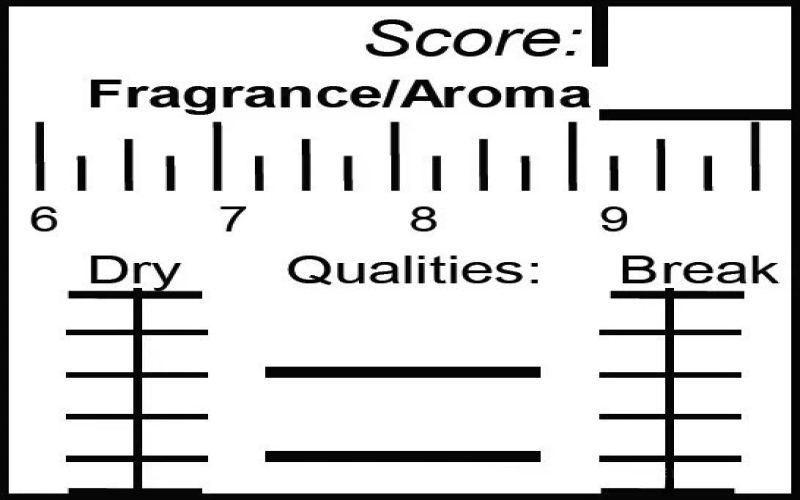
SCAA Coffee Cupping Score Sheet Guide: A Detailed Chinese Explanation of the Ten Scoring Points from Aroma to Overall Evaluation
Coffee cupping is a professional evaluation method that transforms subjective sensory experiences into quantitative data, and the SCAA cupping score sheet is the core tool of this system. This article explains the ten scoring dimensions in the sheet one by one, covering fragrance, flavor, aftertaste, acidity, body, uniformity, balance, cleanliness, sweetness, and overall score, helping coffee enthusiasts understand the scoring basis and judgment criteria for each item. Whether you are a beginner who has just encountered cupping or a professional hoping to refine your sensory skills, this detailed Chinese guide can serve as a practical reference. Front Street Coffee also provides relevant product information in the article for further understanding. [more…]
Barista Essentials: A Complete Guide to COE and SCAA Cupping Scoring Standards, from Clean Cup to Overall
If you want to become a professional barista, cupping is a core skill you can't avoid. This article systematically sorts out the scoring standards of the two major cupping systems, COE and SCAA, analyzing the scoring points and deduction rules one by one, from aroma, cleanliness, sweetness, acidity, mouthfeel, flavor, aftertaste to balance. It also explains in detail the tools needed for cupping, the coffee-to-water ratio, and the operating process, and uses [Front Street Golden Mandheling] as an example to compare the cupping performance of three roasting curves. Whether you are a coffee enthusiast or a practitioner, you can learn from it the scientific method of judging coffee quality and understand the true meaning of COE competition level. [more…]
A Complete Guide to the SCA Coffee Flavor Wheel HD Wallpaper: From the Old Version to the New, Teaching You How to Understand and Apply the Flavor Wheel
Have you ever wondered where those citrus, berry, chocolate and other flavor descriptions on coffee packaging come from? This article provides a detailed interpretation of the SCA Coffee Flavor Wheel, starting from the first edition released by the SCAA in 1995, tracing its background, the classification logic of positive and negative flavors, and the major updates in the 2016 new edition. The article not only explains the different roles of taste and smell in coffee cupping, but also introduces the simplified consumer flavor wheel launched by the Belgian company Cuperus. Front Street Coffee takes you through a systematic understanding of the design intent and practical application of the coffee flavor wheel, helping beginners build sensory awareness more quickly and understand the language of flavor communication in cupping. [more…]
A Detailed Explanation of the SCAA Specialty Coffee Green Bean Defect Grading and Scoring Standards: A Comprehensive Analysis from Defects to Cupping Performance
Before green coffee beans reach our hands, they often go through many stages, during which defects are almost unavoidable. Some defects are obvious at the green bean stage, yet once roasted they may be cleverly concealed. The SCAA (Specialty Coffee Association of America) has established strict grading standards for specialty Arabica coffee, covering multiple dimensions such as defect types, moisture content, aroma, and bean size. This article will systematically sort out the SCAA's defect classification rules and scoring requirements, explain in detail the causes of various defective beans and their impact on cupping flavor, and help enthusiasts develop a keen eye for identifying specialty coffee. At the same time, the article retains relevant recommendations from the Front Street brand for readers' reference. [more…]
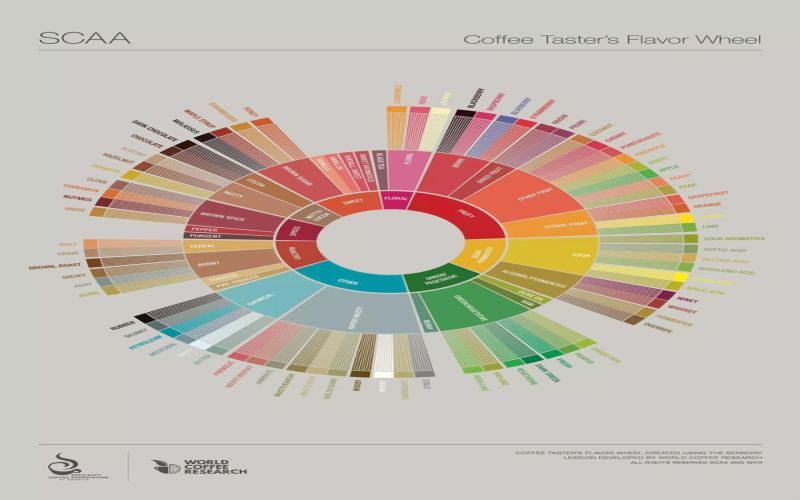
2017 SCAA Coffee Flavor Wheel High-Definition Illustrated Detailed Explanation: Chinese-English Versions and the Historical Evolution of the Flavor Wheel
In January 2016, the SCAA, in collaboration with WCR, undertook the first major revision of the coffee flavor wheel in over two decades—a change that drew widespread attention in the coffee community. As a vital tool for cuppers and roasters, the flavor wheel provides a common language for sensory evaluation of coffee. This article traces the origins and evolution of the flavor wheel in detail, interprets the latest high-resolution Chinese-English comparison chart, and explores its key role in enhancing coffee quality. It also retains relevant recommendations from Front Street Coffee for coffee enthusiasts' reference. [more…]
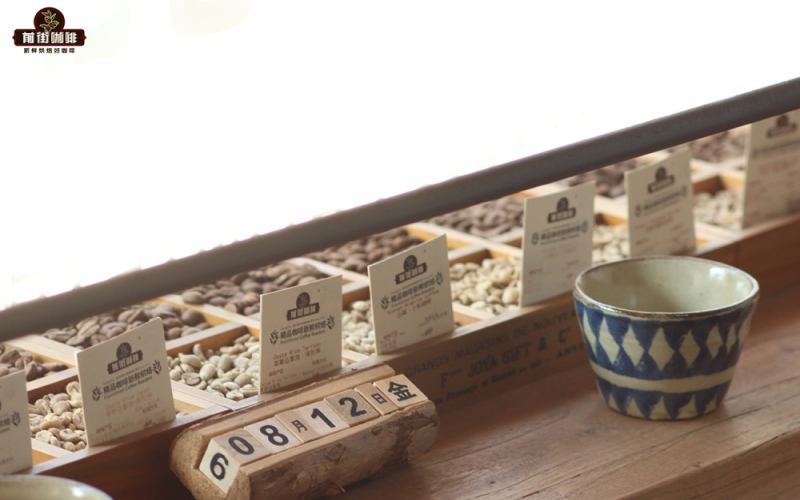
What grind size is standard for cupping? An analysis of how to determine the grind size and water temperature for pour-over black coffee
When you get an unfamiliar single-origin coffee bean, how do you accurately judge its flavor performance? Cupping is the industry-standard method. Front Street Coffee conducts cupping on every coffee bean it acquires, whether or not it goes on the shelves. This article uses the SCA cupping system as its benchmark and provides a detailed introduction to the equipment and parameters required for cupping, including sample bean processing, grind size calibration, coffee-to-water ratio, water quality and temperature requirements, as well as the operating procedures for dry aroma, wet aroma, breaking the crust, and skimming. After cupping is completed, the pour-over grind size and brewing water temperature must also be determined according to the roast level. Light-roast and medium-roast coffee beans each have different standards for sieve pass-through rate and water temperature selection. [more…]
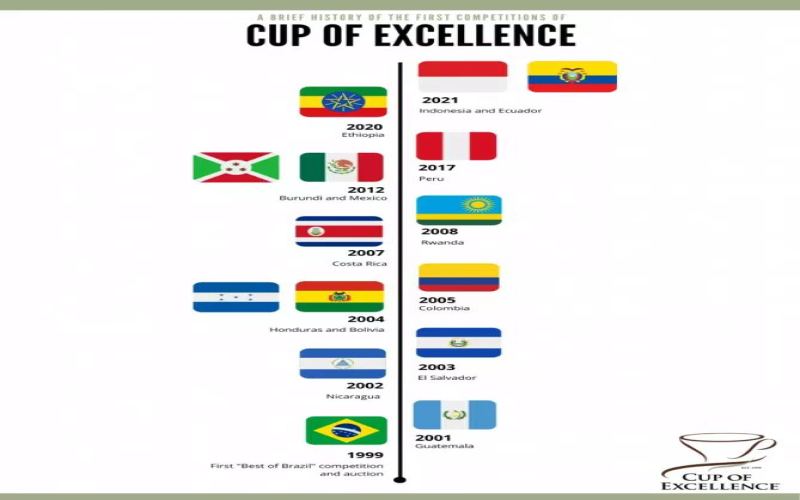
An Analysis of the SCAA and COE Coffee Certification Systems: Differences in Scoring Standards and Their Essential Distinction from SOE
In the world of specialty coffee, the SCAA and COE are two authoritative systems that cannot be overlooked. The former established industry standards and cupping protocols, while the latter selects top-tier green beans through rigorous competitions. How do their scoring logics differ? And why are COE and SOE often confused? This article will trace the development and operational mechanisms of the SCAA, CQI, and COE, explain in detail the differences in cupping score sheets, and use the example of the 22nd-place sun-dried Typica that Front Street Coffee bid for at Ethiopia's first COE competition in 2020 to present the complete story from origin to cup. [more…]
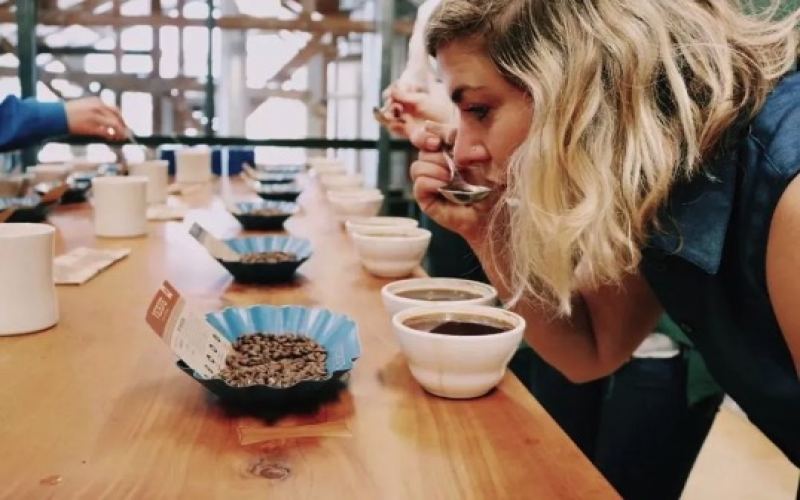
The scoring criteria for coffee cupping. SCA How to evaluate a cup of coffee.
The scoring criteria for coffee cupping. The cupping of coffee beans was initially to ensure whether the quality of the coffee beans that are about to enter the trade is qualified. With the passage of time, after the concept of specialty coffee was b [more…]

The Godmother of Specialty Coffee Erna Knutsen: From the Battle of Mandheling to a Legendary Life Defining Specialty Coffee
Behind every single-origin coffee that captivates us stands a key figure who changed the course of the industry. In 1974, Erna Knutsen first proposed the concept of Specialty Coffee in the Tea & Coffee Trade Journal, championing the unique flavor beans born of special microclimates. She only formally entered the coffee trade at the age of forty, yet with an astonishing taste memory and cupping talent, she rose to fame by buying an entire container of Mandheling in one stroke. Thereafter she founded Knutsen coffee, Ltd, helped establish the Specialty Coffee Association of America, and repeatedly won the industry's highest honors. This article takes you through the complete journey of this godmother of specialty coffee, from her childhood in the Arctic Circle to her retirement at 93, to understand how specialty coffee evolved from a single idea into quantifiable industry standards. [more…]
A Detailed Guide to the Flavors of Guatemala's Eight Major Coffee Regions: Cupping Characteristics from Acatenango Valley to Volcán San Marcos
Guatemala is an important specialty coffee-producing country in Central America, with eight distinct coffee regions distributed across its territory. In April 2010, Mr. Eduardo Ambrocio of the Guatemalan Coffee Company gave a detailed introduction to these regions to an audience at the SCAA Houston exhibition and presented coffee samples from all eight regions. Based on these sample materials, this article examines one by one the altitude, soil, climate, and processing methods of the eight major regions—Acatenango Valley, Antigua, Traditional Atitlán, Rainforest Cobán, Huehuetenango Highlands, Highland Wet Highlands, New Oriente, and Volcanic San Marcos—and includes the cupping flavor characteristics of the coffee from each region. For friends who love Guatemalan coffee, Front Street Coffee will also recommend a few beans worth paying attention to, helping everyone more intuitively experience the flavor differences among the various regions. [more…]
Yunnan Typica Coffee Variety Analysis: Flavor Differences of Arabica Coffee Beans and Front Street Planting Practices
In Yunnan's coffee variety landscape, Typica and Catimor form two parallel main lines. The former has a long history and elegant flavor but limited yield, while the latter, with its disease resistance and high productivity, has become the mainstay of Yunnan's current small-bean coffee. Front Street Coffee, drawing on its own tortuous experience in cultivation, has sorted out the reasons why Yunnan does not grow mainstream specialty varieties, and firmly chose the most difficult path of Typica. This article focuses on Typica's botanical characteristics, flavor performance, washed processing logic, as well as the roasting curve, cupping records, and pour-over parameters of Front Street 2013 Typica washed beans, providing coffee enthusiasts with a complete reference on the variety and brewing. [more…]
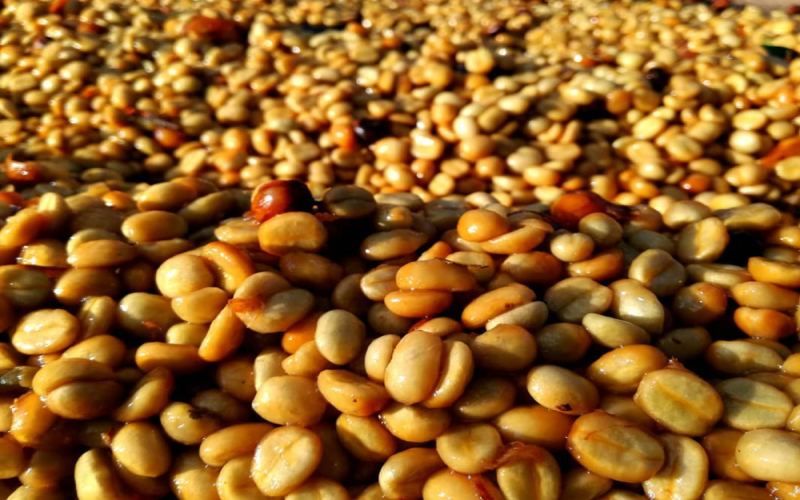
Sweet as Honey Costa Rican Coffee: A Detailed Guide to Raisin Honey-Processed Geisha Blend Pour-Over Parameters
Costa Rican coffee has always won over countless enthusiasts with its honey-like sweetness. This article centers on the newly arrived Costa Rica Mirazu Estate Geisha blend from Front Street Coffee, starting with the terroir of the producing region, the story of the estate, and the variety composition, then explaining in detail the key points of the raisin honey processing technique, and including a medium-light roast profile, SCAA-standard cupping data, and a complete set of pour-over parameters. Whether you want to gain a deeper understanding of the charm of the Tarrazu producing region or are looking for a brewing reference you can follow directly, this article has the answers. [more…]

What Exactly Does Coffee Cleanliness Mean? Interpreting the Key Indicators of Specialty Coffee Evaluation Standards
In the evaluation system of specialty coffee, cleanliness is a core indicator that cannot be overlooked, yet many coffee enthusiasts have misunderstandings about it. Some believe that cleanliness means a single flavor profile, while others equate it with the clarity of the coffee liquid. In fact, cleanliness is closely tied to coffee quality—it requires both the absence of negative defect flavors and the presence of forward flavors that are sufficiently clear and distinguishable. Front Street Coffee will start from cupping standards to systematically sort out the two-layer evaluation logic of cleanliness, helping everyone re-understand this key concept in specialty coffee evaluation and understand why it can directly reflect the overall quality level of coffee. [more…]
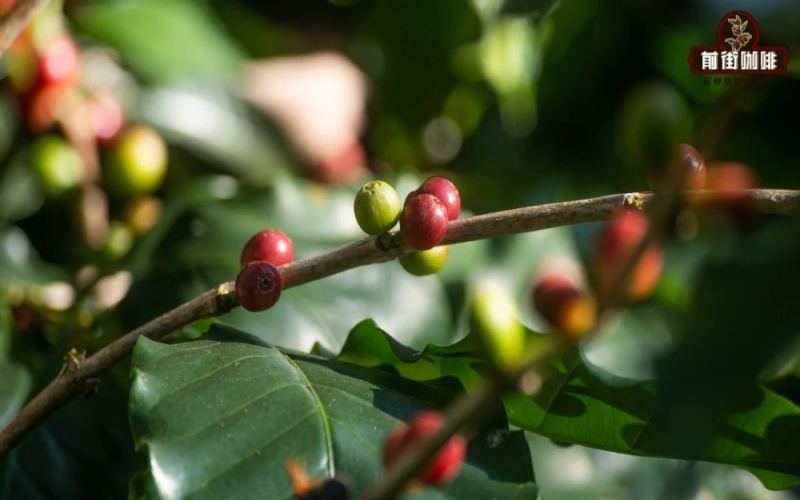
Yunnan Coffee Variety Analysis: A Comparison of Typica and Catimor in Pour-Over Flavor and Cultivation Differences
In Yunnan's coffee variety landscape, Typica and Catimor each hold their own ground: the former has a long history but yields little, while the latter, rising later, has become the byword for "Yunnan Arabica." Drawing on its own cultivation experience, Front Street Coffee traces back the reasons for and process of selecting Typica, explains in detail Typica's botanical characteristics and the logic of washed processing, and presents in full the roast curve, cupping performance, and pour-over parameter recommendations for Front Street 2013 Typica washed beans. Whether you want to understand the varietal evolution of Yunnan's coffee-producing regions or are looking for a clean, balanced brewing plan for a Yunnan Typica, this article is worth a read. [more…]
Yunnan Coffee Brand Roundup: Which Brands Sell Authentic Yunnan Small-Bean Coffee
Yunnan is one of the few regions in China capable of growing Arabica coffee, and its reputation has been rising steadily in recent years, with more and more specialty coffee shops prioritizing Yunnan beans on their shelves. Front Street Coffee has maintained an estate in Lincang, Yunnan since 2013, personally taking part in cultivation and promotion. Currently, Yunnan coffee is dominated by the Catimor variety, while Typica is grown less due to its low yield and susceptibility to leaf rust—though it boasts excellent flavor. Yunnan coffee overall has a balanced flavor profile, characterized by nutty and brown sugar notes, with acidity that is not particularly pronounced. This article reviews the current state of Yunnan coffee varieties, growing conditions, and cupping performance, and introduces the Yunnan small-bean coffee and sun-dried Typica currently sold by Front Street, along with brewing parameters, for coffee enthusiasts' reference. [more…]
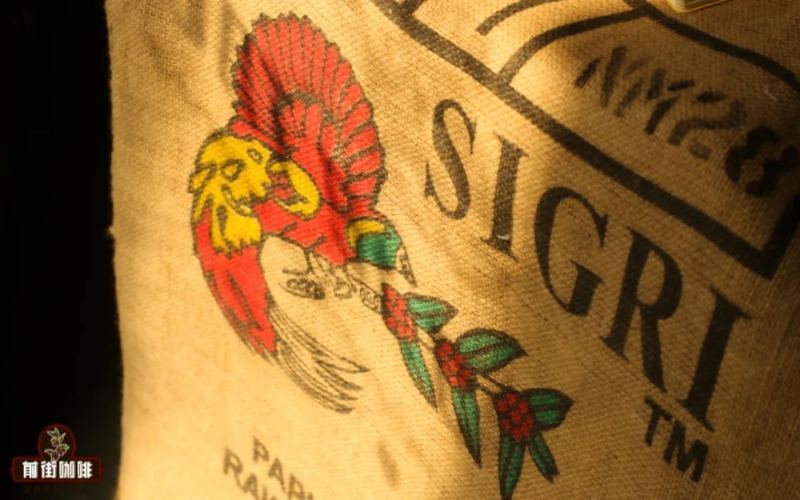
Papua New Guinea Bird of Paradise Coffee: Origin Flavors and Brewing Analysis of Starbucks Reserve Small Blue Mountain Washed Typica
In the island nation of Papua New Guinea in the South Pacific, high-quality washed Arabica is gradually entering the global specialty coffee spotlight, and even Starbucks Reserve has included it in its product line. Coffee produced there has long been known as "Little Blue Mountain." Front Street Coffee, driven by curiosity, picked up a bag of Bird of Paradise beans and conducted a complete evaluation from roasting and cupping to brewing, finding that its flavor is especially bright and clean among Asian producing regions, with moderate acidity and a mellow, balanced profile. This article will break down the source of this island coffee's flavor layer by layer, from geography and climate, cultivated varieties, and the washed process at Sigri Bird of Paradise Estate, to Front Street's roasting curve, cupping records, and pour-over parameters. [more…]
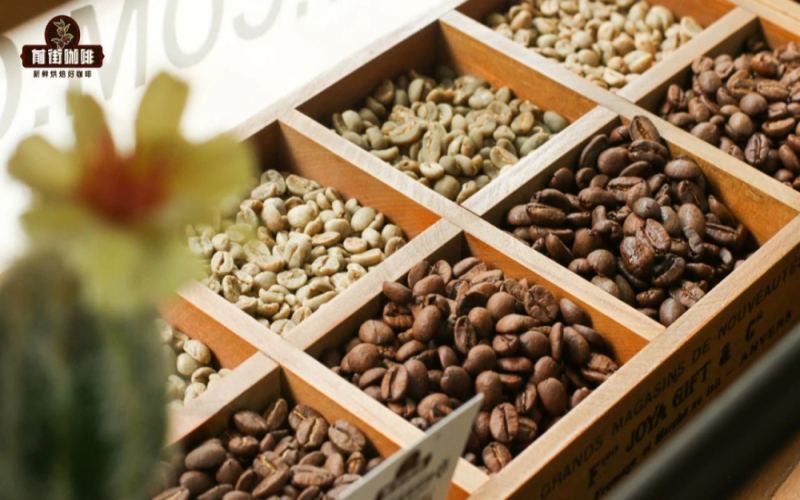
Analysis of Papua New Guinea Coffee Bean Varieties: The Origin of the Typica and "Little Blue Mountain" Title, and a Flavor Review
In recent years, Papua New Guinea coffee has earned its place among the world's specialty coffees thanks to its high-quality washed Arabica beans, and is known as the "Little Blue Mountain." Front Street Coffee delves deep into the country's coffee varieties, growing regions, and processing methods, and particularly recommends the washed Typica from Sigri Bird of Paradise Estate. This article will provide a detailed analysis of Papua New Guinea coffee's geographical advantages, cultivation conditions, and the characteristics of the Typica variety, as well as Front Street Coffee's roasting and cupping insights, taking you on a journey to appreciate this Oceania coffee's bright fruit acidity and balanced, full-bodied richness. [more…]
Why is Blue Mountain coffee so expensive? Analyzing its taste and quality through the grading system and cupping standards
The name Blue Mountain coffee is almost universally known; even before the rise of the specialty coffee movement, it was synonymous with top-tier coffee. Yet when actually tasted, many people find it merely ordinary. What exactly makes Blue Mountain coffee so expensive? Does its flavor justify its price? To answer these questions, we must start with the establishment of the Jamaica Coffee Industry Board (CIB). It was this institution that, long before the concept of specialty coffee was even born, elevated Blue Mountain coffee to a king's status through strict grading and cupping standards. This article will trace the rise to fame of Blue Mountain coffee, the rules defining its production region, its green bean grading system, and its signature balanced flavor. [more…]